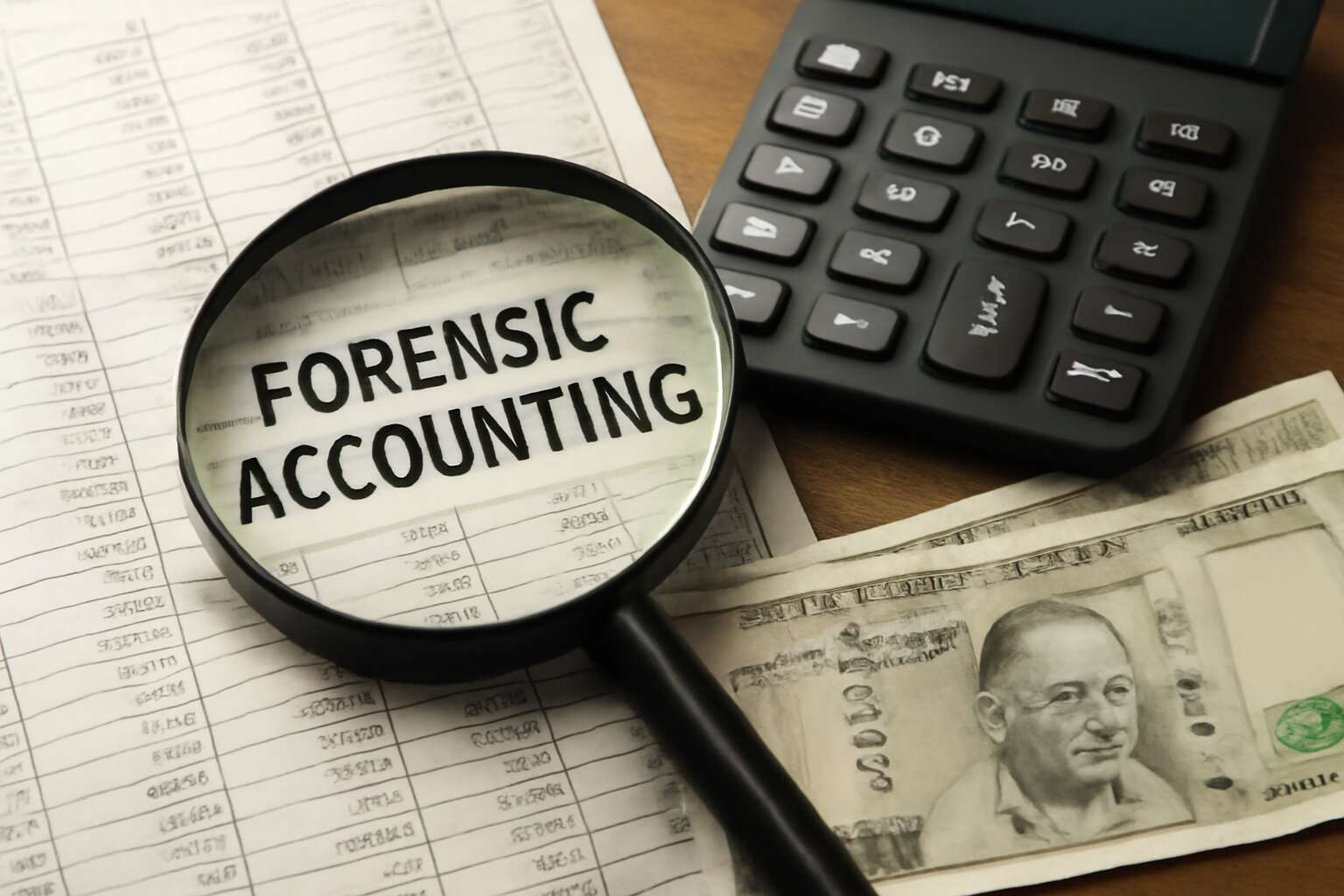
Forensic accounting degree in India: comprehensive outline
Current landscape and market demand
Across Indian finance houses and multinational audits, the demand for forensic expertise has surged by more than 60% in the last decade, turning numbers into narratives of accountability and opportunity.
A forensic accounting degree in india is increasingly seen as a passport to leadership in audit, risk, and compliance. Top programs fuse investigative rigor with data analytics, producing graduates capable of unmasking sophisticated schemes and guiding strategic decisions.
Core competencies now span both courtroom precision and boardroom strategy. Curricula emphasize:
- Fraud risk assessment and control design
- Forensic data analytics and digital tracing
- Litigation support and expert testimony
- Regulatory governance, ethics, and compliance
For South Africa’s market, these skills translate into cross-border investigations, robust governance, and resilient growth. The journey echoes the aspirational spirit of opportunity—the American Dream—realized here as global mobility and meaningful impact.
Academic paths and degree options
In India, the forensic lens is shifting careers from number-crunching to accountability. Enrollment in this field has risen by over 40% in five years, signaling a demand for professionals who fuse investigation with ethics and analytics.
A forensic accounting degree in india typically begins at the undergraduate level with B.Com or BBA programs that offer forensic accounting electives, then advances to MSc or MBA tracks in forensics. The path weaves commerce, digital tracing, and governance into a practical skillset.
- Undergraduate pathways: B.Com (Honours) with forensics electives; BBA with forensic options
- Postgraduate options: MSc/M.Com in Forensic Accounting; MBA forensics specialization
- Short courses: PG Diploma or certificates in fraud analytics and litigation support
These routes build portable expertise that suits both Indian markets and emerging African demand, where governance and accountability increasingly define growth.
Admissions, eligibility, and entrance requirements
Footlights on the balance sheet flicker with new purpose—the forensic accounting degree in india is a passport to governance-minded finance. Admissions favor a solid commerce foundation, typically a bachelor’s in commerce or BBA, with a minimum 50% and a demonstrated interest in analytics.
- Undergraduate eligibility: B.Com (Honours) or BBA with at least 50% marks
- Entrance path: merit-based admission or an institution-specific test
- Postgraduate prerequisites: relevant bachelor’s degree and a keen interest in forensics; MBA tracks may prefer work experience
Applicants typically submit transcripts, identity proofs, and related documents, while deadlines vary by program. For South Africans eyeing Indian credentials, aligning credits with local frameworks can make the degree a robust international bridge.
Curriculum highlights and practical components
Fraud costs global businesses trillions each year, and governance-minded finance is no longer optional. The forensic accounting degree in india equips graduates to connect numbers with narratives, spot anomalies, and guide decision-makers across borders.
Key curriculum highlights and practical competencies include:
- Core forensic accounting principles and fraud taxonomy
- Data analytics, sampling, and digital forensics
- Fraud risk assessment, controls testing, and investigation techniques
- Ethics, reporting standards, and expert witnessing
In practice, programs blend internships, case studies, and simulated investigations into live datasets. Partnerships with industry and regulatory bodies expose students to real-world scrutiny. For readers in South Africa, cross-border relevance is clear: credits often align with local frameworks, boosting employability in governance-driven finance.




0 Comments